

How to Plan Your First Muay Thai Trip to Thailand
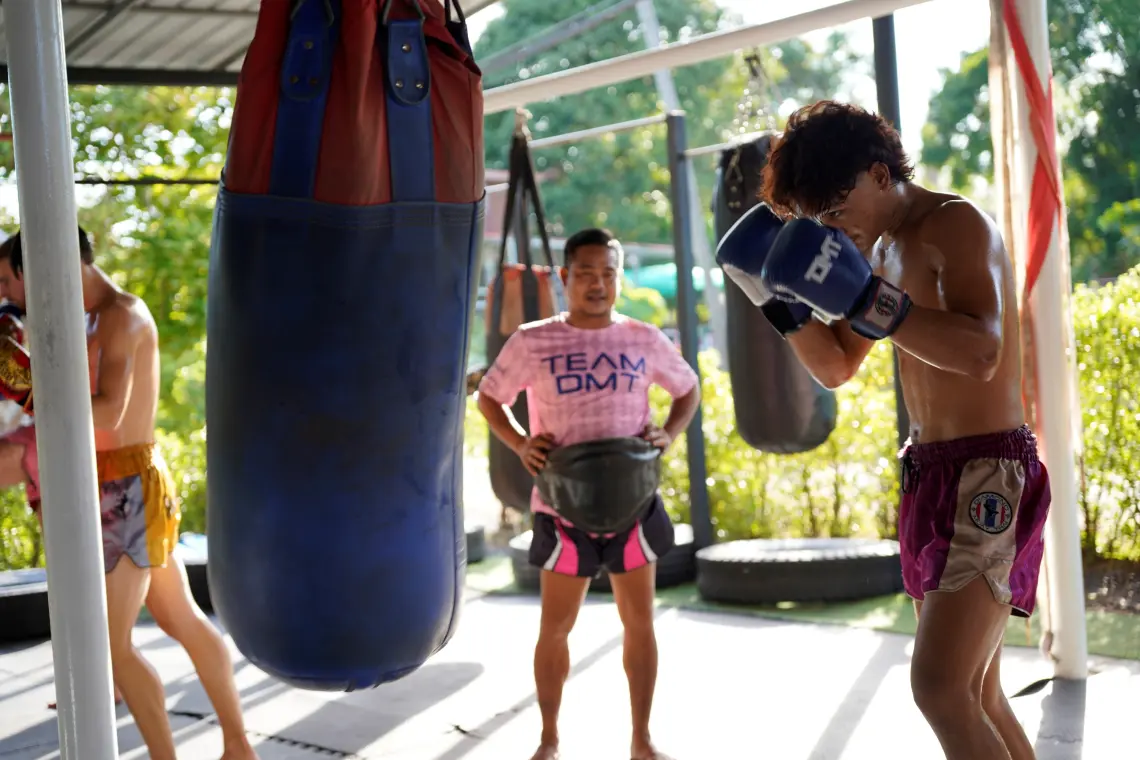
For many combat sports enthusiasts, training Muay Thai in Thailand is a bucket-list experience. The country's rich fighting culture, huge choice of gyms, experienced trainers, and affordable costs attract thousands of visitors every year, from complete beginners to professional fighters.
However, planning your first Muay Thai trip can feel overwhelming. With hundreds of gyms across the country, different training styles, varying budgets, and logistical considerations, it's important to do some research before booking your flight.
The good news is that it doesn't need to be complicated. With a little preparation, you can avoid common mistakes and create an experience that matches your goals, budget, and skill level.
Different locations offer different experiences
One of the biggest mistakes first-time visitors make is choosing a destination based solely on a gym's reputation. Much more important are understanding your goals first, and what kind of experience you want out of your trip.
If you're looking for elite-level fight opportunities, then head to Bangkok. The city is home to dozens of well-established professional fighter gyms, as well as the iconic Lumpinee and Rajadamnern stadiums. However, Bangkok is also a very busy, hectic city. So, chances are you will be training in gyms located in side streets, surrounded by buildings, traffic-congestion, heat, noise and perhaps not the best air quality.
If you are after a more commercial experience, then head to Phuket or Koh Samui. They are filled with large, modern facilities catering to both mainstream Muay Thai tourists and the growing fitness market. But whilst considerably less hectic than Bangkok, they are still very developed. So choose your gym’s location carefully if you don’t want to be training next to a busy road or amongst high-rise apartment buildings.
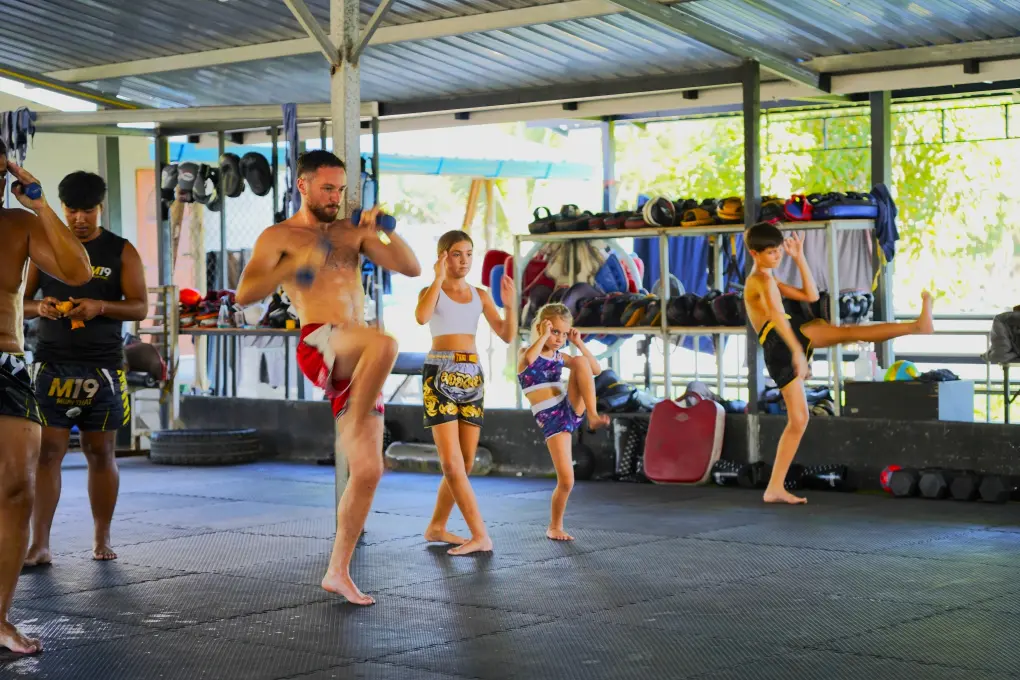
If you are looking for a seriously budget location, then Chiang Mai is one of Thailand's best-value training destinations. Costs are generally much lower than other destinations, and the city offers a thriving Thai experience with lots of temples and a cosmopolitan café culture. The main drawbacks are that it is still a city, with lots of congestion, and at certain times of year air pollution can get to record levels. There are also no beaches, which many people say they miss when the train there.
Finally, if it is balance that you want, combining quality training with a more nature, beach-oriented lifestyle, then it does not get much better than Koh Phangan. Located in the Gulf of Thailand, this beautiful island has quietly been increasing in popularity as a Muay Thai destination. With 16 gyms and fight nights being held 2-3 times per week, it offers lots of choice for both training and fight opportunities. The main drawback used to be accessibility. However, improved transport links mean travelers can now reach the island quickly and easily via a combination of flights, coaches, and ferries.
The best destination isn't necessarily where the most famous gym is located. It's the place that matches the type of trip you actually want.
Not Every Gym Is Right for Every Student
A common misconception is that bigger or more famous automatically means better. In reality, the best gym for a professional fighter might be a terrible choice for someone training abroad for the first time.
Some traditional Thai gyms are focused almost entirely on developing fighters. Training can be less structured than foreigners expect, English may be limited, and coaches often give more attention to athletes preparing for competition. For some visitors, that's exactly what they're looking for. Others may be better suited to gyms that cater to international students. These facilities typically offer beginner-friendly classes, English-speaking trainers, accommodation assistance, and a more social atmosphere.
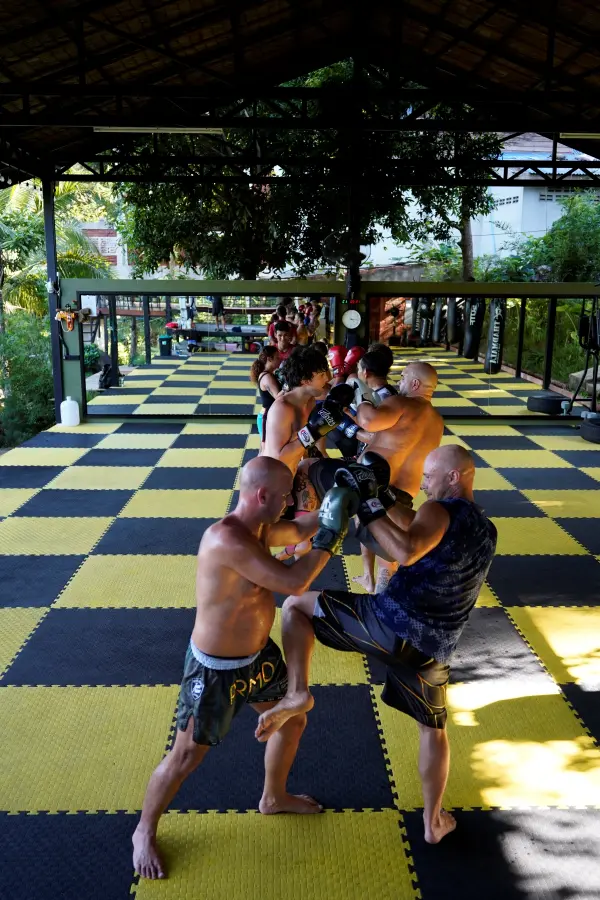
Before booking, ask yourself a simple question: what do you want to achieve? Is your goal to lose weight, improve fitness, experience authentic Muay Thai, prepare for fight or have an experience that balances training and lifestyle?
Social media can provide useful insight, but don't focus solely on highlight videos. Read reviews, look at class sizes, and pay attention to what former students say about the gym's atmosphere and coaching quality.
How Much Should You Budget?
One reason Muay Thai training in Thailand remains so attractive is the value. Compared to training camps in Europe, Australia, or North America, Thailand can be remarkably affordable.
Budget travelers can comfortably train and live for around $700 to $1,200 per month, particularly in destinations such as Chiang Mai or Koh Phangan. This usually covers basic accommodation, local food, scooter rental, and regular training.
A more comfortable lifestyle typically falls between $1,500 and $2,500 per month. At this level, you'll enjoy private accommodation, better dining choices, and additional activities outside the gym.
For those seeking premium accommodation, large, modern facilities and a more luxury experience, costs can easily exceed $3,000 per month.
The good news is that training itself is rarely the biggest expense. Accommodation and lifestyle choices usually determine the overall budget far more than gym fees.
What Should You Bring?
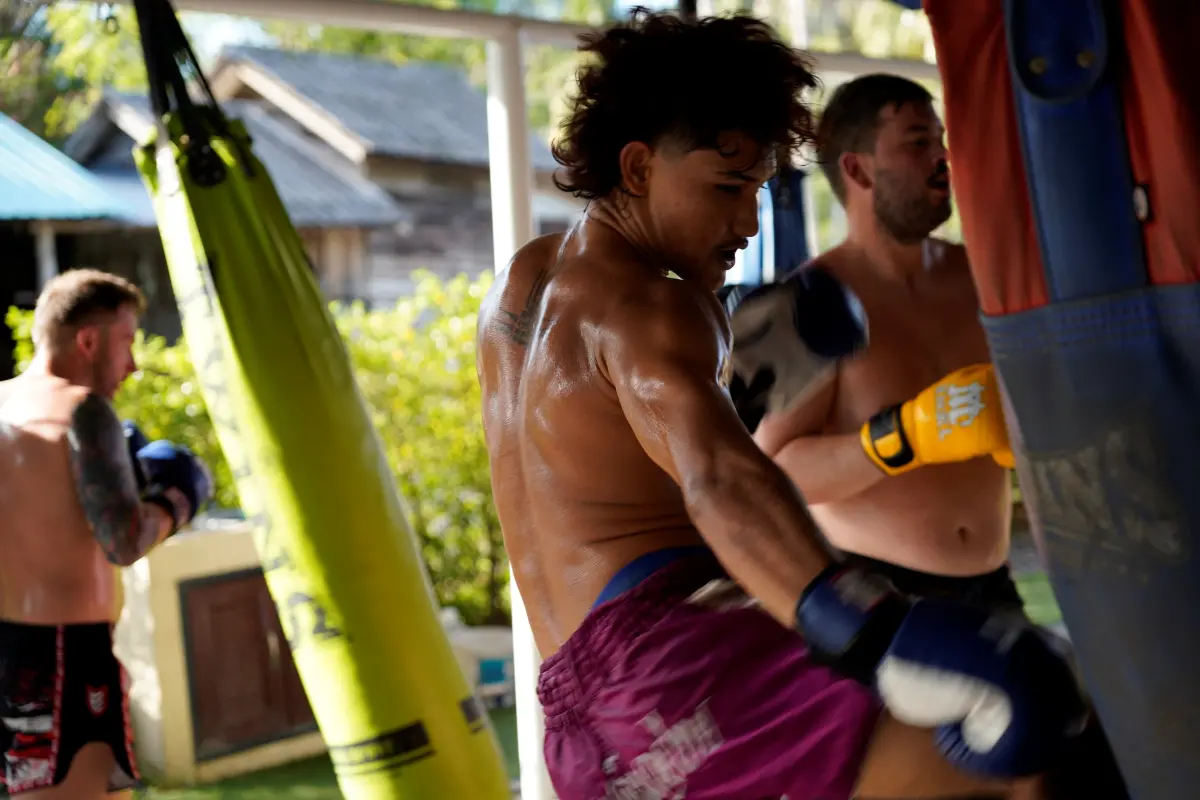
The answer is less than most people think. Thailand is the world's Muay Thai capital, meaning equipment is available almost everywhere. Gloves, shin guards, hand wraps, and training clothing can all be purchased locally at competitive prices. That said, many experienced travelers prefer bringing their own gloves and hand wraps for hygiene and comfort. Beyond training gear, lightweight clothing is essential. The heat catches many newcomers off guard, particularly those arriving from colder climates.
Perhaps most importantly, make sure you have comprehensive travel insurance. Many travelers discover too late that standard policies exclude combat sports. If you plan on sparring, clinching, or fighting, confirm exactly what your policy covers before you leave home.
Getting There Is Easier Than Ever
Bangkok is the gateway to the rest of Thailand. It receives flights from across Europe, North America, Australia, and the Middle East, making it one of Asia's most accessible travel hubs. From Bangkok, domestic flights and coaches connect travelers to every major training destination in the country.
Although many first-time visitors spend weeks researching gyms, flights and travel often prove to be the simplest part of the process.
The Experience You'll Never Forget
Ask anyone who has spent time training Muay Thai in Thailand and they'll talk about the whole experience, not just the gym or training.
They remember the trainers who pushed them through exhausting pad rounds. They remember the friendships formed with students from around the world. They remember watching live Muay Thai fights, discovering amazing street food, and adapting to a culture built around one of the world's most respected combat sports.
Your first Muay Thai trip won't be perfect. You'll probably overpack, underestimate the heat, and discover that your conditioning isn't quite as good as you thought. But you'll return home with better skills, greater confidence, memories that will last a lifetime. And like most us who make the journey, you'll probably start planning your next trip before the first one is even over.
About Author
Henry is long-term resident of Thailand, a Muay Thai practitioner of 15 years, and a Director of Muay Thai Island – a project focused on creating training, lifestyle, and fight opportunities for visiting fighters and students in Koh Phangan.