

Ip Man
Who is Ip Man?
Ip Man, also known as Yip Man, was a renowned Chinese martial artist and a grandmaster of Wing Chun Kung Fu. Born on October 1, 1893, in Foshan, Guangdong, China, he is best known for popularizing Wing Chun and for being the teacher of Bruce Lee, who later became a global martial arts icon.
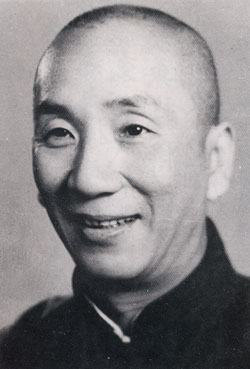
Here are some key points about Ip Man:
- Early Life and Training: Ip Man began his training in Wing Chun at a young age under Chan Wah-shun, who was a student of Leung Jan, a legendary Wing Chun master. After Chan Wah-shun's death, Ip Man continued his training under Ng Chung-sok, another of Chan's students.
- Career in Martial Arts: Ip Man moved to Hong Kong in the 1940s, where he began teaching Wing Chun. His teaching methods and the effectiveness of Wing Chun attracted many students, helping to spread the martial art widely.
- Notable Students: Among Ip Man's many students, Bruce Lee is the most famous. Bruce Lee studied under Ip Man during his teenage years and later went on to develop his own martial art philosophy, Jeet Kune Do, which was heavily influenced by Wing Chun principles.

- Legacy and Influence: Ip Man's contributions to martial arts have had a lasting impact. His teachings helped to systematize and preserve Wing Chun, ensuring its transmission to future generations. Many of his students became accomplished martial artists and teachers, further spreading Wing Chun globally.
- Cultural Impact: Ip Man’s life has inspired numerous films and television productions, greatly increasing global awareness of Wing Chun.
The most famous portrayal appears in the “Ip Man” film series starring Donnie Yen:
- Ip Man (2008) – Directed by Wilson Yip, this film focuses on Ip Man’s life in Foshan during the Second Sino-Japanese War. It portrays him as a patriotic and morally upright martial artist.
- Ip Man 2 (2010) – Covers his early struggles in Hong Kong and introduces a fictionalized confrontation with Western boxing.
- Ip Man 3 (2015) – Features a young Bruce Lee and explores Ip Man’s family life.
- Ip Man 4 The Finale (2019) – Depicts Ip Man traveling to the United States and addressing cultural tensions while promoting Chinese martial arts.
While these films take creative liberties and dramatize many events, they played a major role in reigniting global interest in Wing Chun and Chinese martial arts history.
Other portrayals include:
- The Grandmaster (2013), directed by Wong Kar-wai and starring Tony Leung Chiu-wai as Ip Man. This version is more artistic and historically layered.
- The Legend Is Born Ip Man (2010), which focuses on his early life.
These films significantly shaped the modern public image of Ip Man, blending history with mythology.
- Philosophy and Approach: Ip Man emphasized the practical and efficient aspects of Wing Chun, focusing on direct, economical movements and the importance of sensitivity and reflexes. His approach to teaching was systematic, ensuring that students thoroughly understood the principles and techniques of Wing Chun.
Ip Man passed away on December 2, 1972, but his influence on martial arts continues to be felt worldwide. His life and teachings have inspired countless practitioners and enthusiasts of Wing Chun and martial arts in general.
Related Article: Wing Chun: The Efficient and Practical Chinese Martial Art